SCAMPER for brainstorming ideas

SCAMPER: Substitute, Combine, Adapt, Modify, Put to another use, Eliminate, Reverse / Rearrange. Use the left index to jump to each technique’s examples.

S — Substitute · Olympia (Manet)
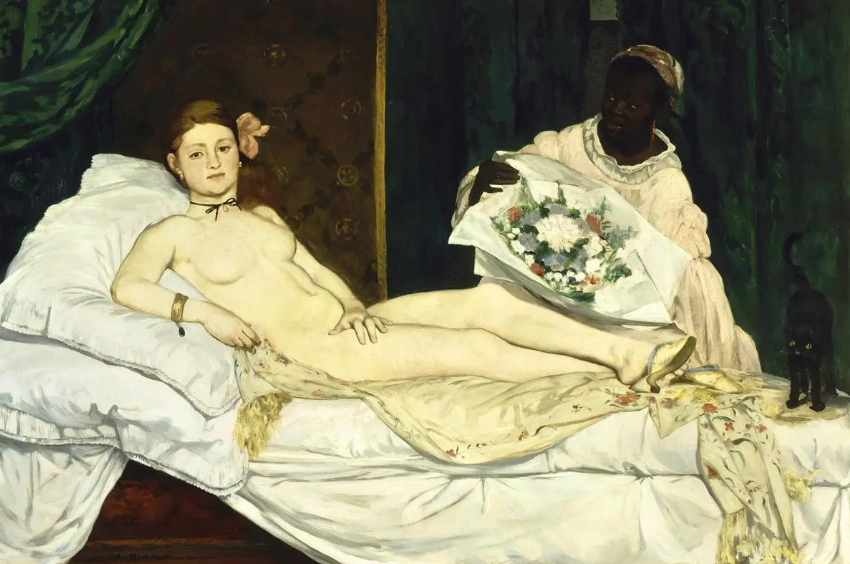
Édouard Manet, Olympia, 1863. Reclining nude on a bed, maid with flowers.
Manet · Olympia · 1863

Manet substitutes a goddess for a real woman who looks back—dragging the scene into modern life.

Titian shows a goddess of love in a rich Venetian bedroom — ideal beauty, mythic story. Manet keeps the reclining nude on a bed, but substitutes the goddess with a real Paris sex worker who looks straight at the viewer.

Why it works: The substitution moves the topic from myth to modern life. The viewer is no longer “safe” in a story about gods; the painting asks questions about society and the gaze.
S — Substitute · Les Demoiselles d’Avignon (Picasso)

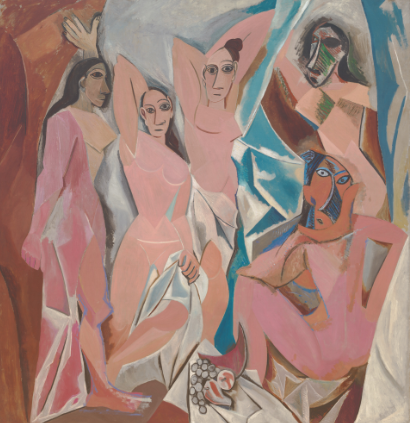
Pablo Picasso, Les Demoiselles d'Avignon, 1907. Five nude figures with mask-like faces.
Picasso · Les Demoiselles d’Avignon · 1907

Picasso substitutes fractured bodies and mask faces for the soft salon nude—same topic, totally different mood.

Ingres paints a smooth, long-backed nude in a fantasy “Eastern” style — calm, pretty, and controlled. Picasso substitutes that salon ideal with fractured bodies and mask-like faces influenced by African and Iberian sculpture.

Why it works: The substitution keeps the subject (the nude) but changes the mood from soft beauty to confrontation. The same genre, but comfort is replaced by tension and debate.

C — Combine · Vertumnus (Arcimboldo)

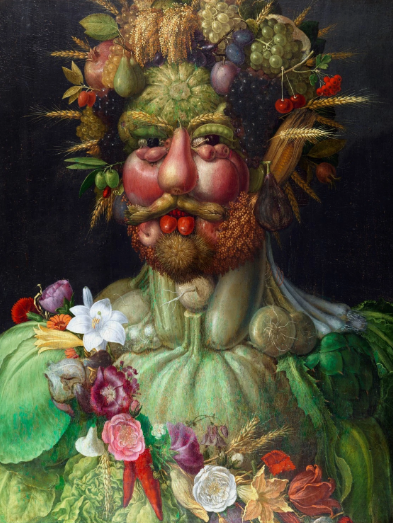
Giuseppe Arcimboldo, Vertumnus, portrait made of fruit and vegetables.
Arcimboldo · Vertumnus · c. 1590–91

Arcimboldo combines still life and portrait—food builds a face, so one image carries two kinds of meaning.

A ruler’s head is built from fruit, vegetables, and plants. Still life (food) and portrait (a person) are combined into one face.

Why it works: Combining genres turns the sitter into an allegory — seasons, harvest, power. The meaning needs both “portrait” and “pile of food” in the same picture.

C — Combine · Persistence of Memory (Dalí)

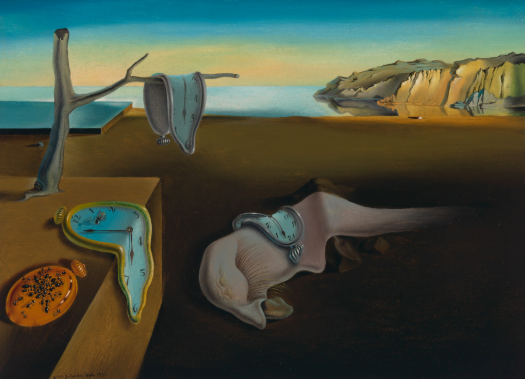
Salvador Dalí, The Persistence of Memory, melting clocks in a landscape.
Dalí · The Persistence of Memory · 1931

Dalí combines hard clocks with soft, melting forms—opposites turn time into dream logic.

A quiet landscape meets pocket watches that melt like soft cheese. Hard metal and clock faces combine with something soft, limp, and dreamlike.

Why it works: The combination suggests time is not rigid in the way clocks pretend. It is fluid, strange, and closer to dream logic than to a timetable.

A — Adapt · Las Meninas (Velázquez)

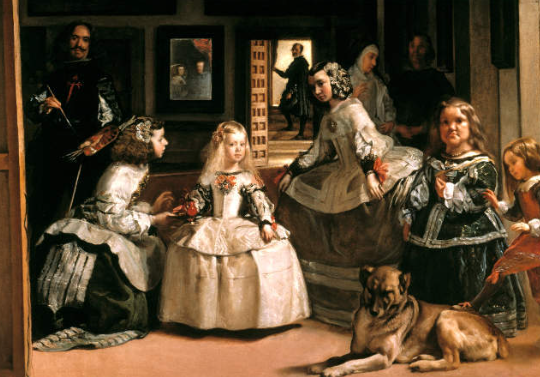
Diego Velázquez, Las Meninas, royal family and painter in a large room.
Velázquez · Las Meninas · 1656

Velázquez adapts a stiff royal portrait into a puzzle—who watches whom, and who holds power?

Velázquez starts from a royal group portrait, but adapts it: he adds himself painting, a mirror that may reflect the king and queen, and a doorway that makes room for the viewer. The usual “sit still and look noble” format becomes a puzzle about who sees whom.

Why it works: Adapting court portraiture turns the scene into a question about perception and power — not just a record of important people.

A — Adapt · Napoleon Leading the Army over the Alps (Wiley)

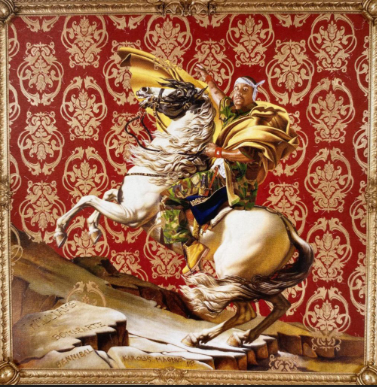
Kehinde Wiley, Napoleon Leading the Army over the Alps, rider on rearing horse.
Wiley · Napoleon Leading the Army over the Alps · 2005

Wiley adapts the emperor-on-a-horse cliché—a contemporary Black sitter in streetwear claims the heroic spotlight.

Wiley adapts the grand European tradition of “hero on a horse” — the kind of image used for emperors and propaganda. He places a contemporary Black sitter in that pose, wearing everyday streetwear.

Why it works: The format is borrowed from old power portraits, but the people in the centre are changed. The same visual language now asks who gets to be heroic in art history.

M — Modify · Third of May (Goya)

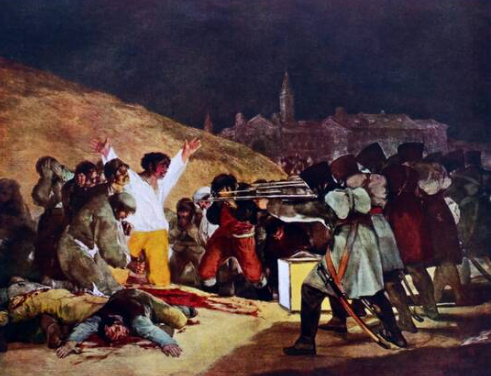
Francisco Goya, The Third of May 1808, man with arms raised in white shirt facing firing squad.
Goya · The Third of May 1808 · 1814

Goya modifies scale and light—the victim looms huge and bright; the killers shrink into the dark.

Goya enlarges the central victim and floods him with light. The firing squad stays smaller, darker, and more anonymous.

Why it works: Modifying scale and light turns one man into a symbol for many innocent people. Our eyes lock on him before we read the soldiers.

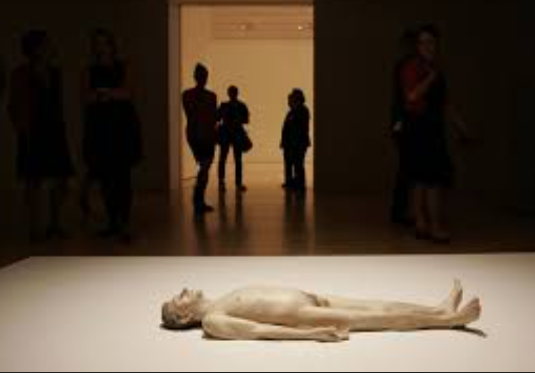
M — Modify · Dead Dad (Mueck)

Ron Mueck, Dead Dad, small hyperreal figure of a dead man.
Mueck · Dead Dad · 1996–97

Mueck shrinks scale until the body reads tiny—you look down on grief like a private secret, not a monument.

Mueck radically shrinks a hyperreal male corpse. The viewer stands above and looks down on private grief.

Why it works: Modifying scale reverses the usual “hero statue” size of the body in public space. Small size makes the loss feel intimate and uncomfortable at the same time.

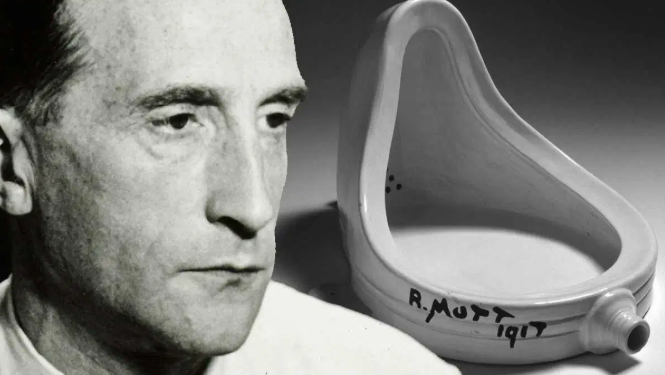
P — Put to another use · Fountain (Duchamp)

Marcel Duchamp, Fountain, photograph of urinal signed R. Mutt.
Duchamp · Fountain · 1917

Duchamp puts a urinal to a new use—gallery placement and a signature recast plumbing as sculpture and debate.

A urinal is made for a bathroom. Duchamp puts it in a gallery, signs it “R. Mutt,” and turns it into a sculpture.

Why it works: The purpose shifts from plumbing to a question: what counts as art if the artist only chooses and places the object?

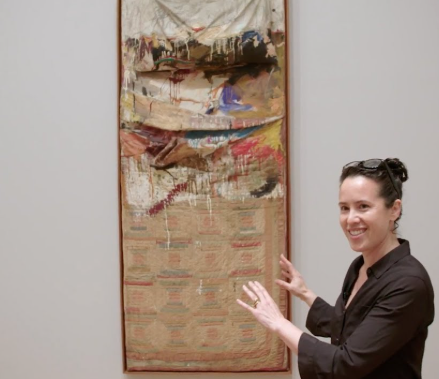
P — Put to another use · Bed (Rauschenberg)

Robert Rauschenberg, Bed, quilt and pillow with paint on wall.
Rauschenberg · Bed · 1955

Rauschenberg puts bedding to new use as a vertical canvas—sleeping gear becomes the painting itself.

A quilt and pillow are normally for sleeping. Rauschenberg puts them on the wall, splashes paint on them, and treats them like a painting surface.

Why it works: The bed becomes both support and subject. Private life enters the public language of painting.

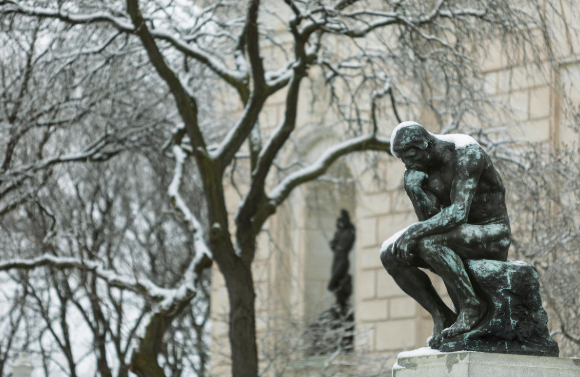
E — Eliminate · The Thinker (Rodin)

Auguste Rodin, The Thinker, nude figure seated on rock.
Rodin · The Thinker · 1904

Rodin strips pedestal, costume, and story—only a naked thinker on a rock remains.

Traditional heroic sculpture often includes a pedestal, costume, props, or a clear story. Rodin strips that away: a nude man alone on a rock, thinking.

Why it works: Elimination forces focus on the act of thinking itself, not on rank, battle, or identity.

E — Eliminate · White on White (Malevich)

Kazimir Malevich, White on White, 1918. Tilted white square on warm white ground.
Malevich · White on White · 1918

Malevich strips subject, contrast, and depth—almost nothing remains but a white square and quiet feeling.

Malevich removes a clear subject, strong colour contrast, and illusion of depth. A white square on a slightly different white ground is almost all that remains.

Why it works: With so much removed, what is left is pure shape and feeling. Nothing else competes for attention.

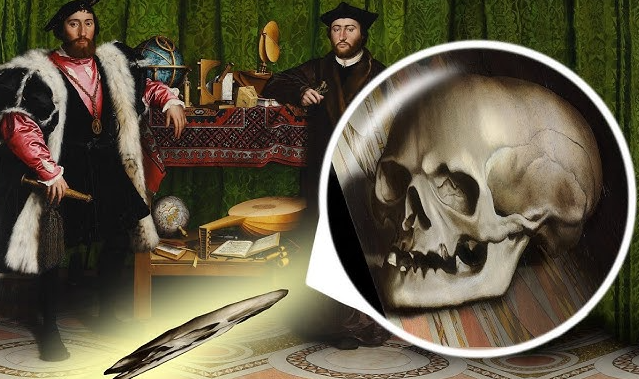
R — Reverse · The Ambassadors (Holbein)

Hans Holbein, The Ambassadors, two men with globe and lute, distorted skull on floor.
Holbein · The Ambassadors · 1533

Holbein reverses meaning with your viewpoint—the floor smear reads as a skull only from the side.

Two well-dressed men stand with globes and instruments. A strange shape stretches across the floor — it only becomes a skull when you move to the side and look from an angle.

Why it works: The reversal ties wealth and learning to death in one picture. Frontal viewing is not enough; you must move your body to see the full meaning.

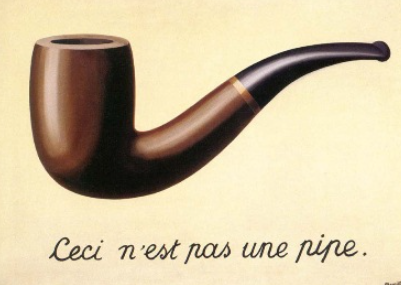
R — Reverse · Treachery of Images (Magritte)

René Magritte, The Treachery of Images, pipe painting with text this is not a pipe.
Magritte · The Treachery of Images · 1929

Magritte pits image against caption—a pipe painting insists “not a pipe,” splitting words from picture.

A painting of a pipe with the words “Ceci n’est pas une pipe” (“This is not a pipe”). Normally we name what we see; Magritte breaks that habit.

Why it works: You are looking at paint on canvas, not a smokeable object. The image and the label are not the same thing, so language and picture are split.